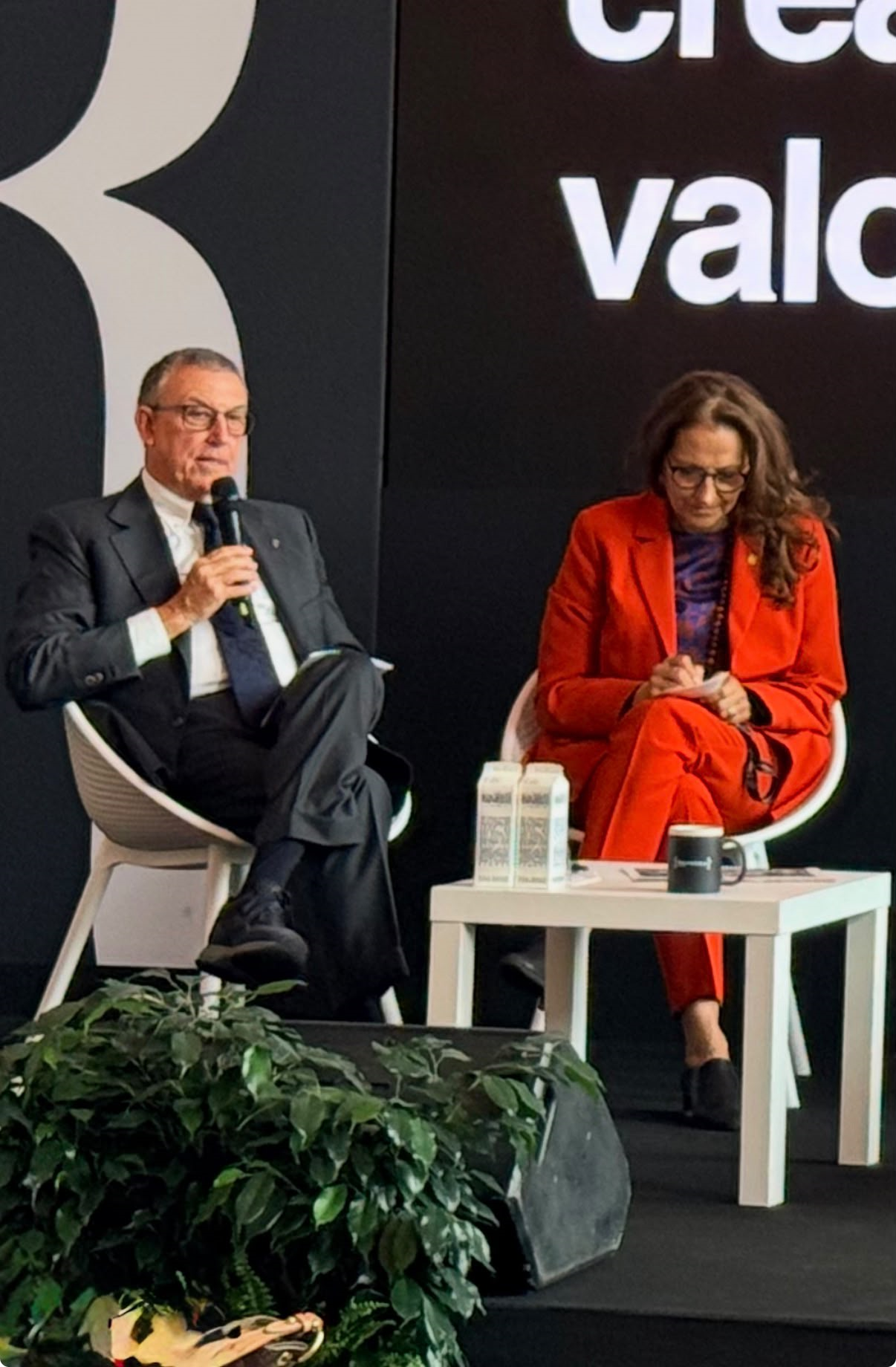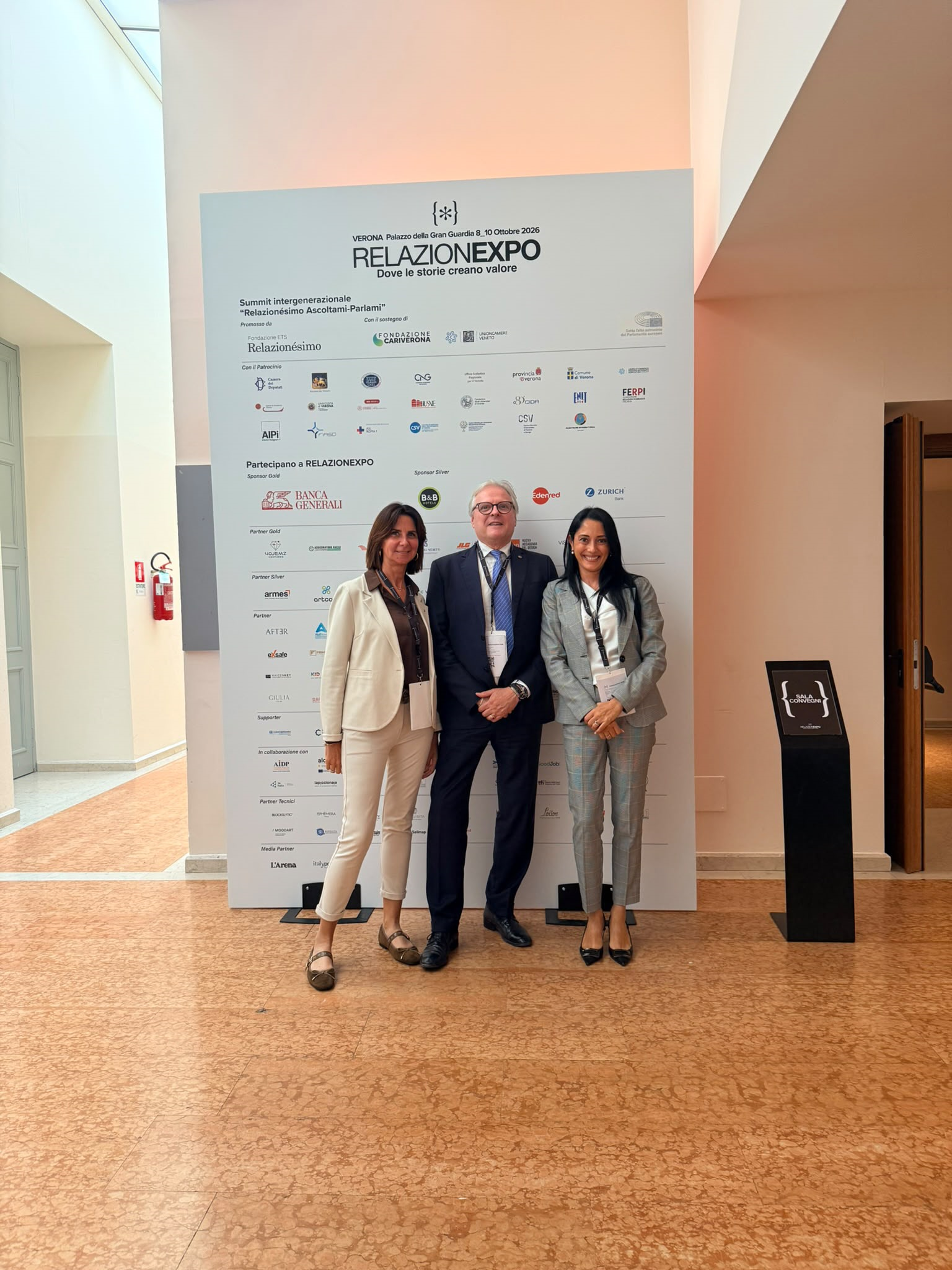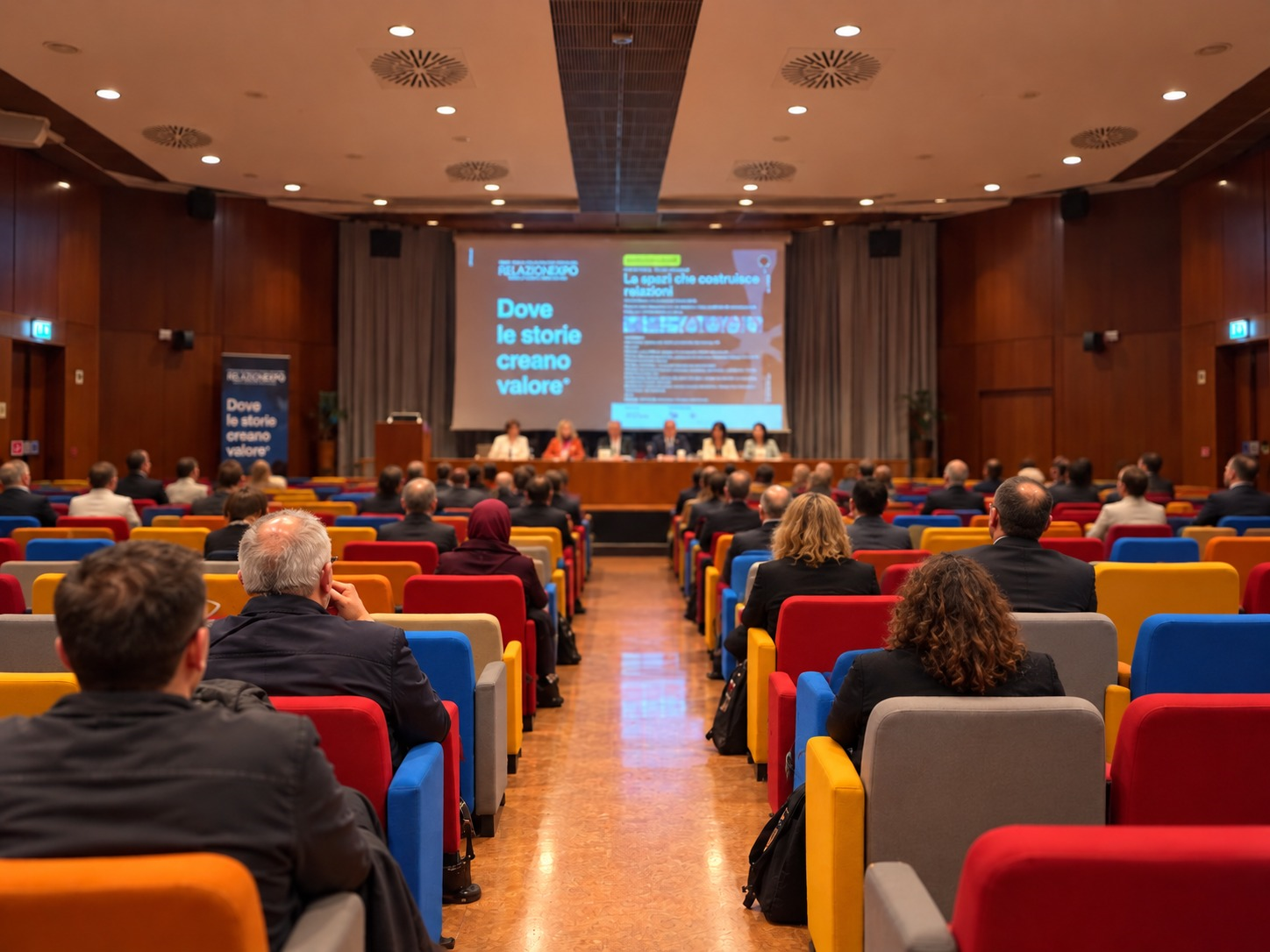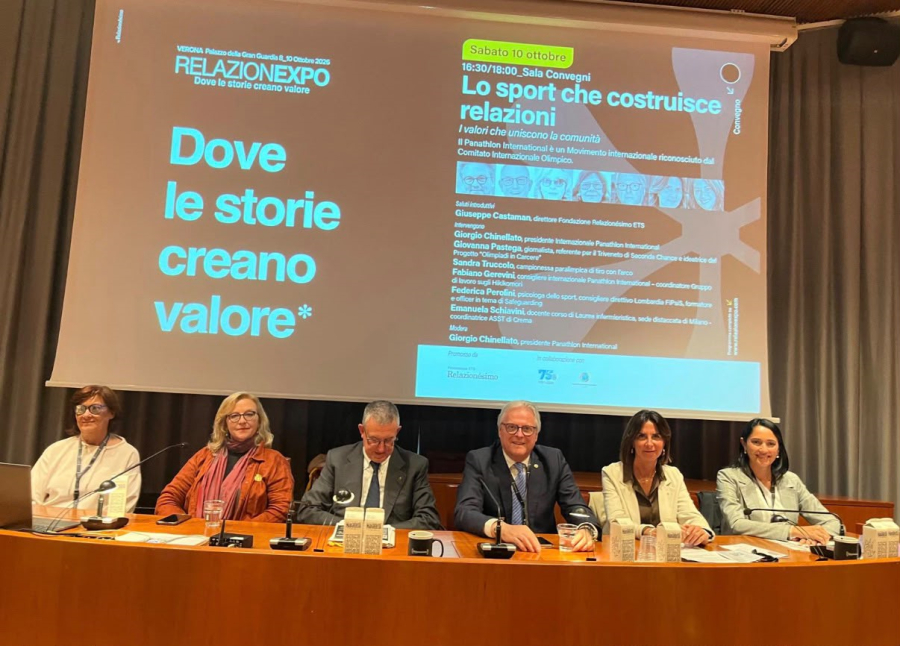
In the prestigious setting of the Palazzo della Gran Guardia in Verona, as part of RelazionExpo, the conference “Sport that Builds Relationships” took place, dedicated to the role of sport as a tool for inclusion, personal growth, wellbeing and the development of human relationships.
The event provided an important opportunity to explore highly topical issues, confirming the tangible contribution of sporting activity to building positive bonds, strengthening a sense of belonging and promoting a culture based on respect, participation and solidarity.
The proceedings were opened by the International President of Panathlon International, Giorgio Chinellato, who highlighted the ethical principles and values underpinning the Panathlon movement and the role of sport as a universal language, capable of fostering dialogue, integration and community growth.
This was followed by contributions from International Board Member Fabiano Gerevini, who reflected on the importance of the relationships that are formed and strengthened through sporting activity; psychologist Federica Perolini, on the psychological aspects linked to interpersonal relationships; Emanuela Schiavini, on the relationship between health, wellbeing and sporting activity; journalist Giovanna Pastega, on the role of communication in conveying the values of sport; and Paralympic champion Sandra Truccolo, who gave a particularly moving account of the inclusive value of sport and its ability to transform difficulties into opportunities for personal and collective growth.
During the conference, various aspects relating to the educational and social dimensions of sport were explored in depth: from the promotion of authentic relationships and emotional skills to the contribution made to preventing distress, safeguarding mental and physical wellbeing, and building positive social networks.
Particular attention was paid to the ‘Seconda Chance’ project, presented by Giovanna Pastega and Sandra Truccolo, which aims to promote sporting activities within prisons as an opportunity for social rehabilitation, personal growth and reintegration. The project involves both prisoners and prison service staff, highlighting the value of sport as a tool for dialogue, mutual respect and the creation of new perspectives, even in the most complex contexts.
Considerable attention was also given to the phenomenon of Hikikomori and Panathlon International’s commitment to raising awareness of this growing social crisis. The speakers emphasised the role of sport as a practical resource for preventing isolation, boosting self-esteem, encouraging socialisation and contributing to pathways of inclusion and the restoration of relationships, in collaboration with families, schools, health professionals, educators and sports organisations.
A strong and shared message emerged from the speakers’ discussions: sport is not merely about competition or the pursuit of performance, but a true training ground for life, capable of fostering trust, genuine relationships, a sense of responsibility and new opportunities for individuals and communities.
The conference reaffirmed Panathlon International’s commitment to promoting a sporting culture based on ethics, inclusion and the empowerment of the individual, so that sport may continue to be a genuine driving force for human and social growth.